


 By Dr. Himanshu Singh, MBBS, D'Ortho, DNB (Orthopaedics)
Each knee has two menisci — C-shaped cartilage cushions between the thigh and shin bones. They absorb shock, spread load and stabilise the joint. A meniscus tear is one of the commonest knee injuries, both in young athletes and in people over 40.
Symptoms
- Popping: a sudden pop, often after a twist
- Swelling over hours to a day
- Catching or locking: the knee sticks or will not straighten fully
- Pain along the joint line, especially when squatting, sitting cross-legged or turning
- It can happen any time — from a sports injury, or gradually with wear and tear, sometimes with no clear injury
Not every tear needs surgery
| Tears that may heal | Tears that usually don't heal |
|---|---|
| Small tears in the outer, blood-supplied edge | Tears in the inner two-thirds (little blood supply) |
| Stable tears without locking | Displaced, bucket-handle or root tears |
| Degenerative tears in older knees, without mechanical symptoms | Tears causing repeated locking, catching or giving way |
MRI helps guide treatment
An MRI shows exactly where the tear is, how large it is, whether the tissue is repairable, and whether other structures such as the ACL are injured. Assessing promptly can prevent further cartilage damage — a torn fragment moving inside the joint can scuff the smooth cartilage surface.
Treatment
Non-surgical
Physiotherapy (quadriceps and hip strengthening), activity modification, anti-inflammatory medication and, in degenerative tears, time. Many patients improve over 6–12 weeks.
Arthroscopic meniscus repair
The torn edges are stitched back together using all-inside, inside-out or outside-in techniques. Root repairs restore the meniscus's attachment to bone — crucial, because a root tear functions like losing the whole meniscus.
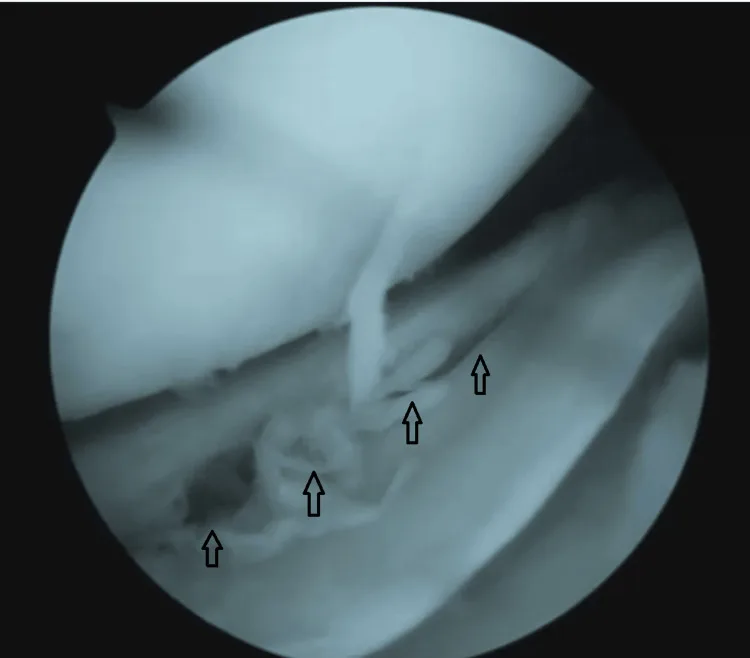
Partial meniscectomy
Only the unstable, irreparable fragment is trimmed, preserving as much healthy meniscus as possible.
See a real case
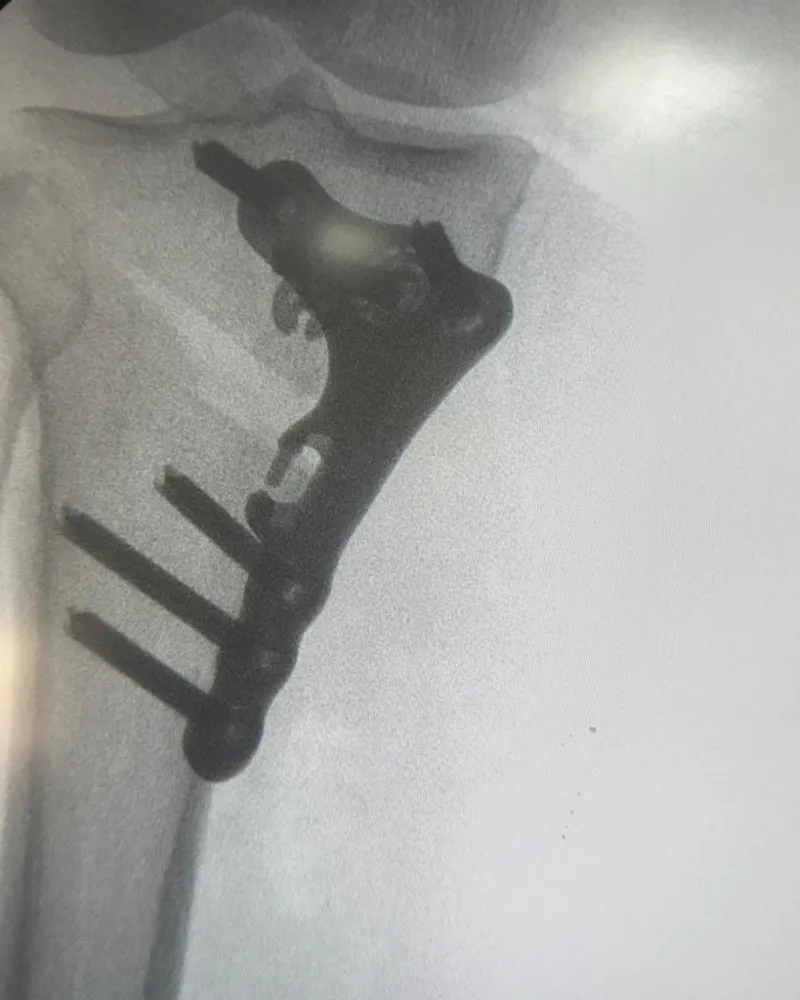
Shared with written patient consent, identifying details removed. Individual outcomes vary.
Recovery
Typical timeline in my practice; your plan may differ.
- After partial meniscectomy: walking within a day or two, return to most activities in 4–6 weeks.
- After repair: brace and protected weight bearing for 4–6 weeks; running at about 3–4 months; pivoting sport at 4–6 months.
See the meniscus recovery guide.
Protect your knee for the future
A special warning about root tears — tears where the meniscus is torn off its anchor to bone. They often follow a pop while squatting and can lead to rapid arthritis, especially in bow-legged knees. Read more: meniscus root tear and bow legs.
Healthy knees keep you moving. If your knee pops, swells, catches or locks, get it assessed early — the chance of saving the meniscus is highest soon after injury.
Frequently asked questions
Can a torn meniscus heal on its own?
Small tears in the outer third of the meniscus, which has a good blood supply, can heal with physiotherapy and activity modification. Tears in the inner two-thirds have little blood supply and generally do not heal without intervention, especially if the knee locks or catches.
Is it better to repair or remove a torn meniscus?
Whenever the tear pattern and tissue quality allow, repair is preferred because the meniscus protects the cartilage. Removing meniscus tissue increases the load on cartilage and the long-term risk of arthritis.
What is a locked knee?
A locked knee cannot fully straighten because a displaced meniscus fragment, often a bucket-handle tear, is caught in the joint. This needs early assessment, as prompt surgery gives the best chance of repair.
Medical disclaimer: this article is general information, not a diagnosis. Every injury is different — please consult an orthopaedic surgeon with your scans before deciding on treatment.