

 By Dr. Himanshu Singh, MBBS, D'Ortho, DNB (Orthopaedics)
The anterior cruciate ligament (ACL) is the knee's main stabiliser against twisting and forward shift of the shin bone. ACL tears are among the commonest sports injuries — in football, kabaddi, badminton, basketball, cricket and even in falls from two-wheelers.
Typical symptoms
- A pop at the moment of injury, often while landing, cutting or twisting
- Swelling within a few hours (bleeding in the joint)
- Unable to continue playing
- Later: the knee gives way on turning, stairs or uneven ground
- Associated locking or catching suggests a meniscus tear
Diagnosis
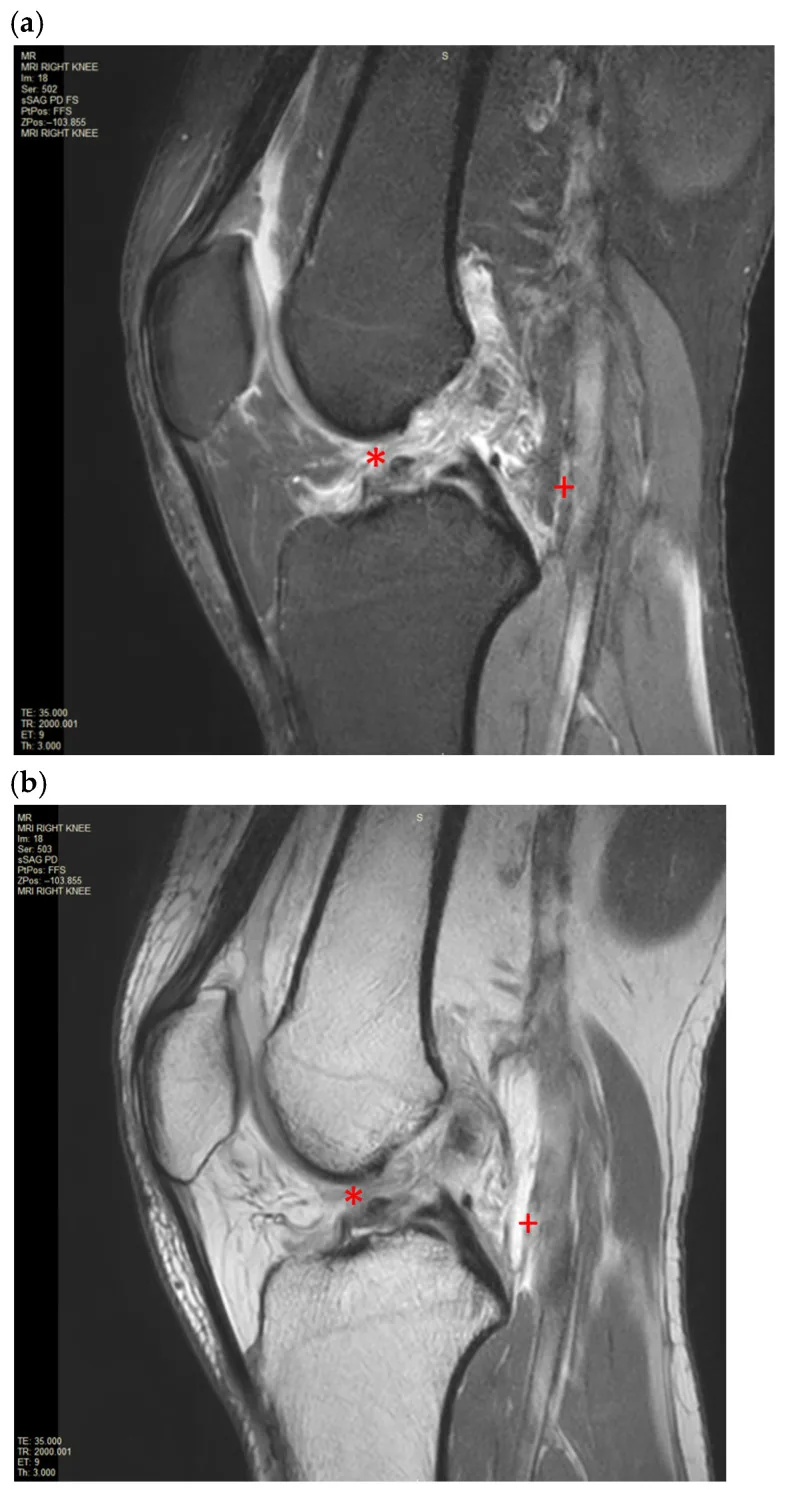
Examination tests (Lachman, anterior drawer and pivot shift) are very reliable in experienced hands. An MRI confirms the tear and — importantly — shows associated injuries to the meniscus, cartilage and other ligaments that influence the plan. Long-leg X-rays are added if alignment or previous surgery matters.
Does every ACL tear need surgery?
| Usually managed with rehab | Usually benefits from reconstruction |
|---|---|
| Partial tears with a stable knee | Repeated giving way |
| Low-demand lifestyle, no pivoting | Pivoting sports, physical work |
| Older patients with stable knees | Repairable meniscus tear |
| Multi-ligament injury |
Whatever the decision, physiotherapy before surgery ("prehab") — reducing swelling and regaining full straightening — leads to a better result.
ACL reconstruction surgery
ACL reconstruction is a keyhole (arthroscopic) operation. The torn ligament is replaced with a graft passed through tunnels in the thigh and shin bones at the original anatomical attachment points.
Graft choices
- Hamstring tendons — most widely used, small incisions
- Peroneus longus tendon — popular alternative, preserves hamstrings
- Bone–patellar tendon–bone (BTB) — strong, often for high-demand athletes
- Quadriceps tendon — versatile, useful in revisions
Meniscus tears found at surgery are repaired whenever possible. In selected high-risk patients, an extra lateral procedure may be added to control rotation.
Most patients stay one night and walk with support the next day.
See a real case
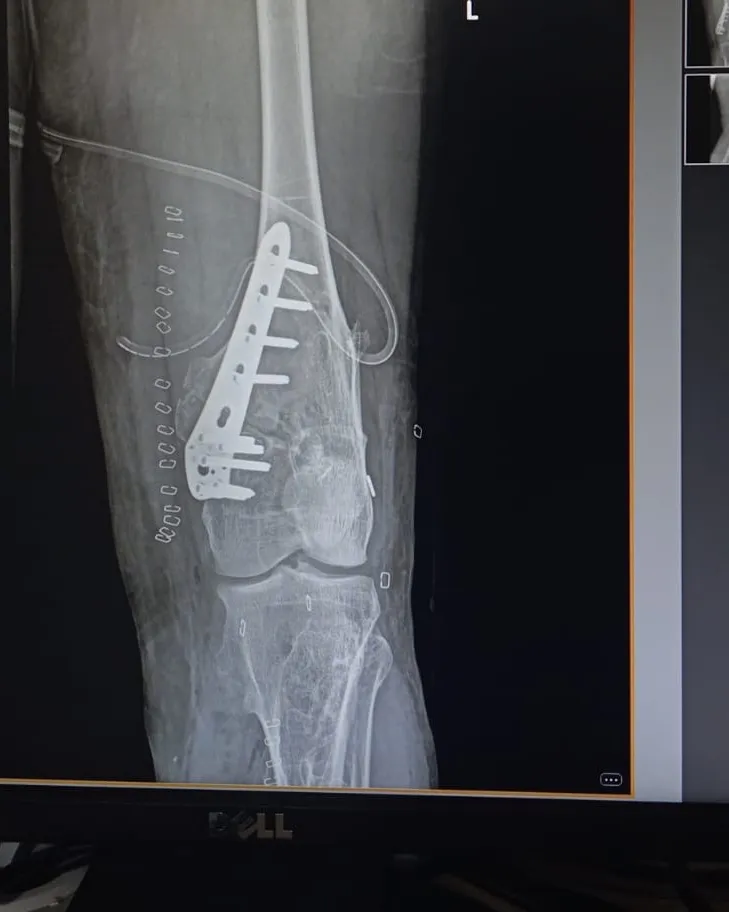
Shared with written patient consent, identifying details removed. Individual outcomes vary.
Recovery timeline
Typical timeline in my practice; your plan may differ.
- Weeks 0–2: control swelling, full straightening, quadriceps activation
- Weeks 2–6: bending to 120°, normal walking, cycling
- Months 2–4: strength, balance, jogging when cleared
- Months 4–9: agility, jumping, sport-specific drills
- 9 months+: return to pivoting sport after testing
See the full recovery guide.
Risks of leaving an unstable knee untreated
Each episode of giving way can tear the meniscus or damage cartilage — the knee's shock absorbers — raising the long-term risk of arthritis. If your knee keeps giving way, have it assessed even if the injury was months ago.
References
- Grindem H, Snyder-Mackler L, Moksnes H, Engebretsen L, Risberg MA. Simple decision rules can reduce reinjury risk by 84% after ACL reconstruction: the Delaware-Oslo ACL cohort study. Br J Sports Med. 2016;50(13):804-8. PMID 27162233. pubmed.ncbi.nlm.nih.gov/27162233/
Frequently asked questions
Can an ACL tear heal without surgery?
A completely torn ACL does not reliably heal back to its original strength. Some people with low activity demands manage well with physiotherapy. Reconstruction is recommended for those with instability, pivoting sports, physical jobs, or associated meniscus tears.
How soon after injury should ACL surgery be done?
Surgery is usually done once swelling has settled and the knee has regained full straightening and good quadriceps control — often 2–6 weeks after injury. Delaying for many months in an unstable knee increases the risk of meniscus and cartilage damage.
When can I return to sport after ACL reconstruction?
Most athletes return to pivoting sports around 9 months or later, once strength, hop tests and confidence meet return-to-sport criteria. In one cohort study, each month return was delayed up to 9 months lowered the re-injury rate, and passing strength and hop tests lowered it further.
Medical disclaimer: this article is general information, not a diagnosis. Every injury is different — please consult an orthopaedic surgeon with your scans before deciding on treatment.